Atlanta does big well, and it's not by coincidence.
Mega-Events Don’t Build Capacity. They Expose It.
Site selectors don’t always trust marketing.
They can’t. Every city claims a strong workforce, world-class infrastructure, and a business-friendly environment. But those claims are easy to make when nothing is being tested.
If you want to understand whether a region actually works, watch what happens when the world shows up.
When the Olympics arrive, when the Super Bowl lands, and when FIFA selects a host city, the real audit begins. Mega-events don’t create capability. They expose whether it already exists. Under global scrutiny, systems either hold or fracture.
For nearly three decades, metro Atlanta has stepped into that spotlight again and again. Just as importantly, it has learned from it.
The first true test came in 1996 with the Summer Olympics. The region was growing quickly, but it had never operated under that level of global pressure. Aviation, transportation, public safety, telecommunications, hospitality, and regional coordination were all tested at once.
The Games were a defining success for Atlanta, but they also carried lessons that would shape how the region prepared for future global events. Hosting at that scale requires more than venues and visibility. It requires real-time coordination, clear communication, resilient systems, and the ability to respond when circumstances change.
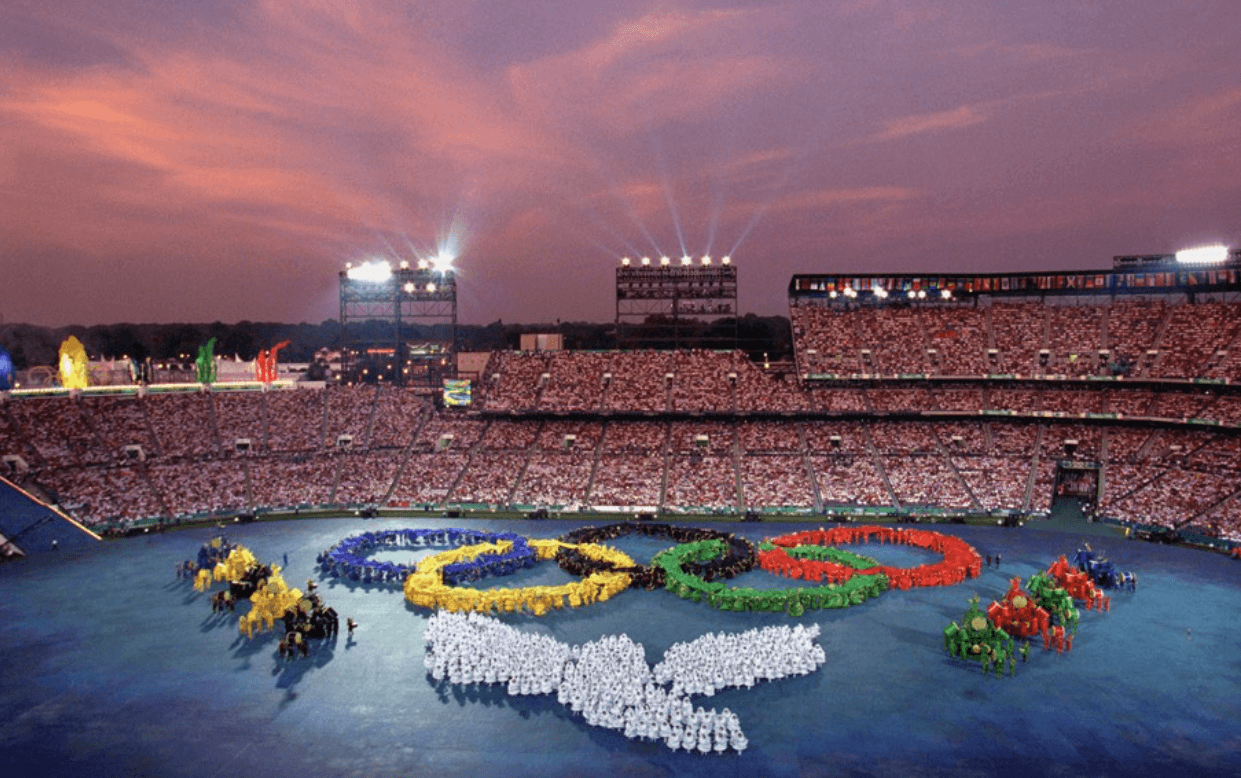
That experience became part of Atlanta’s operating model.
The coordination frameworks, infrastructure investments, and operational muscle memory built around 1996 did not disappear when the Games ended. They became embedded in how the region works.
Since then, the pattern has been consistent. Atlanta has hosted multiple Super Bowls, College Football Playoff National Championships, NCAA Final Fours, major global conventions and more. Now, the region is preparing to welcome the world again during FIFA World Cup 2026™ – Canada, Mexico and the United States.
Events at that scale are not assigned casually. Selection is analytical. Organizers evaluate infrastructure, logistics, security, hospitality, and governance before choosing a host city.
Atlanta’s advantage is that its scale isn’t occasional. It’s daily.
Hartsfield-Jackson Atlanta International Airport moves more than 100 million passengers annually. The region’s logistics network connects air, interstate, rail, and port systems in ways that support global business every day. Utilities continue to invest in reliability. Public and private leaders coordinate across jurisdictions with a familiarity that comes from doing it repeatedly.
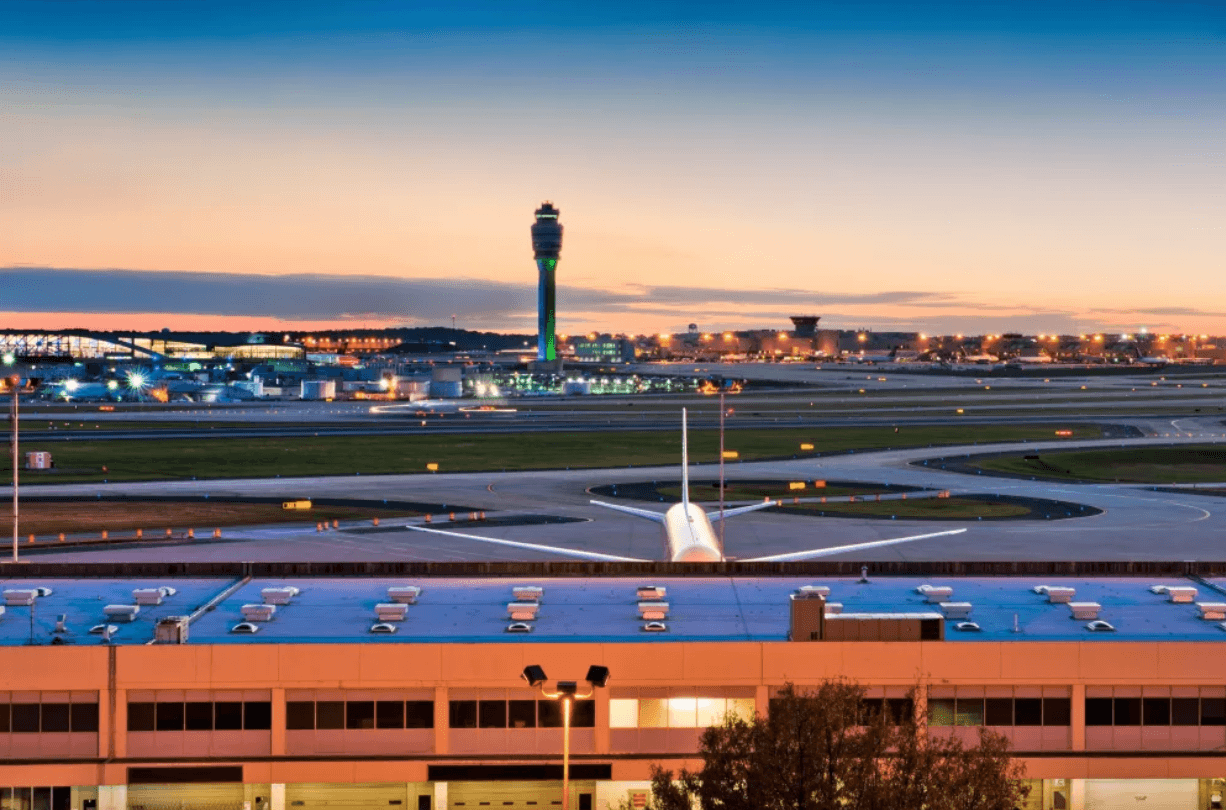
So, when global events arrive, Atlanta does not stretch into competence. It reveals competence already operating at scale.
For corporate decision-makers, that distinction matters. Incentives can be negotiated. Rankings fluctuate. Branding evolves. But systemic reliability – the ability for infrastructure, institutions, and leadership to perform under pressure – is far more consequential.
Mega-events offer something rare: a public demonstration of that capability.
If a region can move millions of people, it can move goods. If it can handle surge demand, it can support production. If leadership can align under global scrutiny, it can align around growth.
That’s what it means to be Built for Business. Not as a slogan, but as a pattern. Atlanta is a globally connected, diverse region where international business is already part of daily life. When the world arrives, it does not feel unfamiliar. That matters for talent, collaboration, and companies building global teams.
In 2026, the spotlight will be on the matches. But executives and investors should also be watching the systems.
Because what holds under the pressure of a global event is the same foundation that supports long-term growth.
Cities can market momentum. They can promote livability. But under stress, only systems matter.
Mega-events are operational audits conducted in public view. Atlanta’s advantage is not perfection. It’s the ability to adapt, improve, and perform under pressure every time.
And that consistency may be its strongest competitive advantage.

