From Madrid to Midtown, Georgia Tech President Ángel Cabrera sees the World Cup in Atlanta as a deeply personal homecoming of sorts.
The following piece is written by Heather Worthan.
For Georgia Tech President Ángel Cabrera, the arrival of Spain in Atlanta for the FIFA World Cup 2026™ feels deeply personal.
He grew up in Madrid, a city where soccer is woven into everyday life and where clubs like Real Madrid CF have helped shape the global identity of the sport itself. Years later, after coming to the United States as a student at Georgia Institute of Technology, Cabrera now leads one of the country’s top technological universities in another rapidly growing global city: Atlanta.
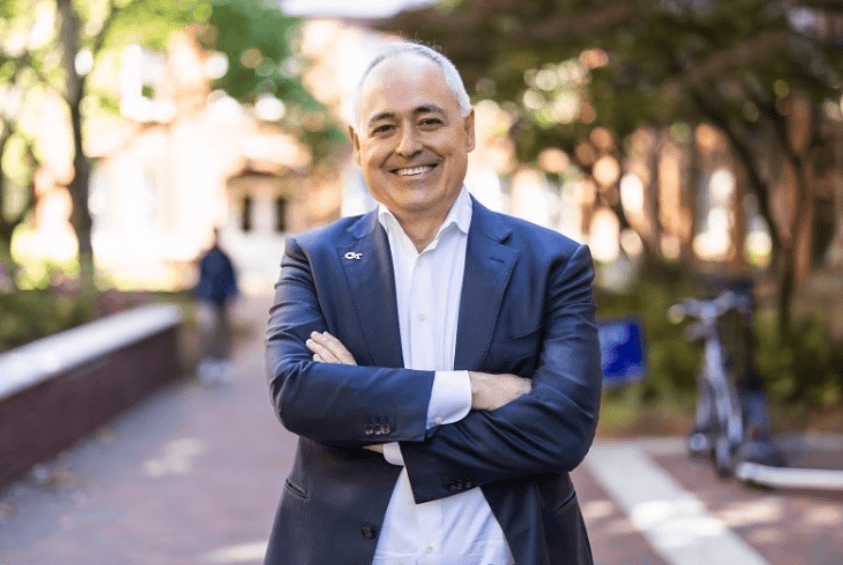
So when Spain takes the field in Atlanta this summer, he sees more than just a match.
“In a way, it’s my two worlds colliding,” Cabrera said. “The city that I call home, that I love, where my life is right now, and my home city of Madrid.”
For Cabrera, the connection between Madrid and Atlanta goes beyond soccer. Both are international hubs shaped by movement, energy, talent, and ambition. Both attract people from around the world. And both understand how culture, business, education, and innovation can fuel the identity of a city.
That intersection is something Cabrera sees every day at Georgia Tech.
Walking through Georgia Tech’s Midtown campus, it is easy to understand why the university has become so intertwined with Atlanta’s rise as a business and innovation center.
Historic academic buildings are nestled between modern research towers. Students gather on Tech Green beneath the skyline. Autonomous delivery robots roll through campus pathways carrying meals and supplies. Just beyond campus, startup incubators, corporate innovation centers, and new mixed-use districts continue expanding outward into Midtown and the Westside.
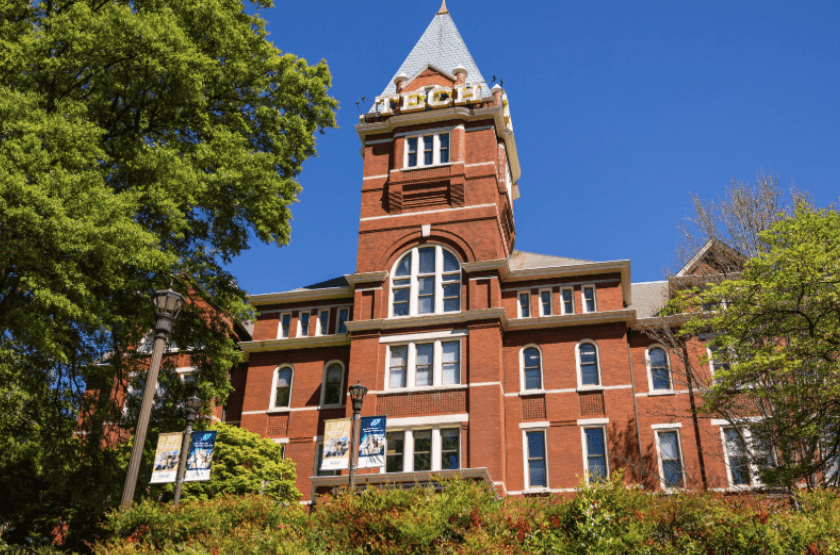
“One of the things I appreciate the most about Georgia Tech is how it has transformed the city around us,” Cabrera said. “When we think of where to build the new building or the new lab, we’re not just trying to satisfy our own needs. We try to figure out what’s best to build a thriving city.”
That approach helped drive projects like Technology Square, Science Square, and the university’s emerging Creative Quarter initiative. These districts have attracted new investment, accelerated startup growth, expanded research commercialization, and strengthened Atlanta’s reputation as a destination for innovation-driven companies. Their success reflects Georgia Tech’s broader role in helping shape the economic future of both Midtown and the region.
For metro Atlanta’s business community, Georgia Tech’s impact is perhaps most visible in talent.
The university is consistently ranked among the nation’s top engineering and computing schools and has become a major pipeline for industries including aerospace, cybersecurity, logistics, mobility, artificial intelligence, and advanced manufacturing.
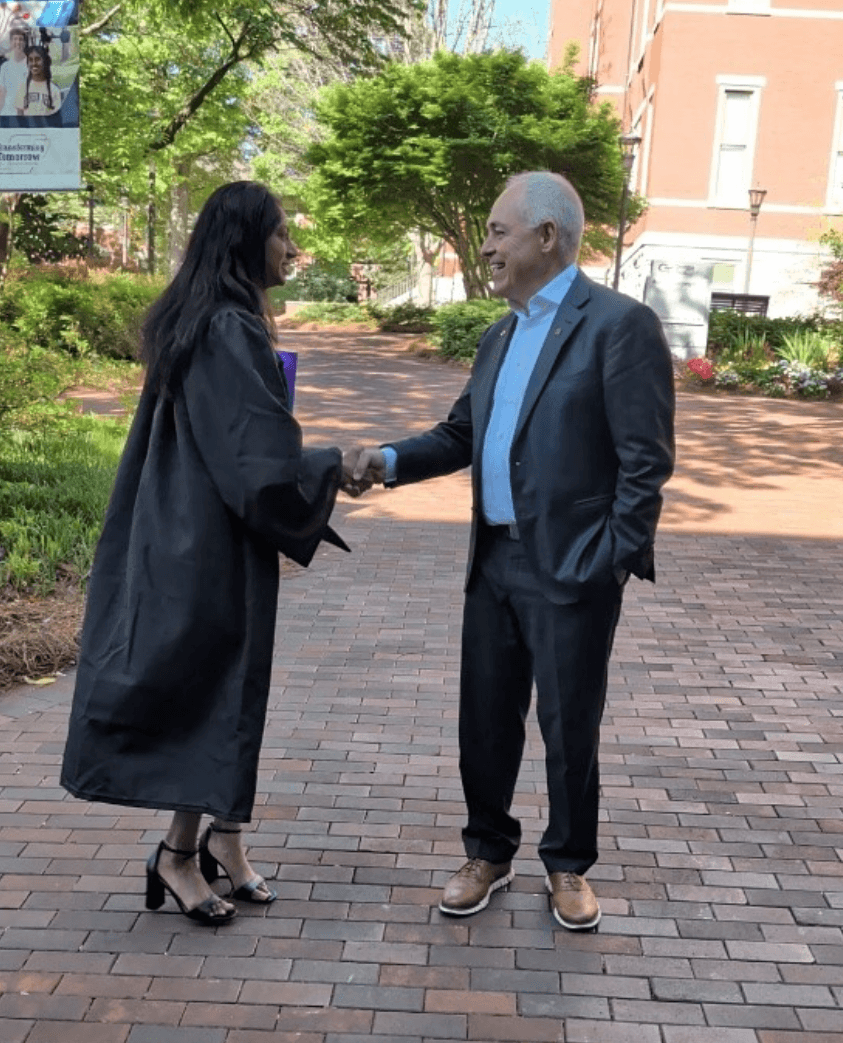
“Atlanta has all the elements to invest, to grow a business, to start a new one,” Cabrera said. “It has the biggest resource any business needs, which is talent and ideas.”
Georgia Tech’s influence extends beyond the classroom. The institute generates more than $1 billion annually in research expenditures and is one of the nation’s leading recipients of federal research funding. Its research ecosystem supports startups, attracts corporate partnerships, and helps companies commercialize emerging technologies.
Artificial intelligence has become a particularly important focus. “We try to find new ways to reach more people and provide them with the best education that we possibly can,” Cabrera said. “No other school provides as much talent in AI as we do.”
That talent advantage is strengthened by Atlanta’s broader higher education network, which includes institutions like Emory University, Georgia State University, Kennesaw State University, and the Atlanta University Center Consortium. Together, they help create one of the Southeast’s deepest concentrations of research, workforce development, and entrepreneurial opportunities.
As Atlanta prepares to welcome visitors from around the world for the FIFA World Cup 2026™ – Canada, Mexico and the United States, Cabrera believes international fans will quickly understand why the city continues attracting people and investment from across the globe.
“All the Spanish fans visiting us will find a fun, thriving, beautiful city,” he said. “Spaniards are known for their lifestyle, for liking a good party, and I think it’s going to be a terrific match to have all those fans enjoying everything this amazing city has to offer.”
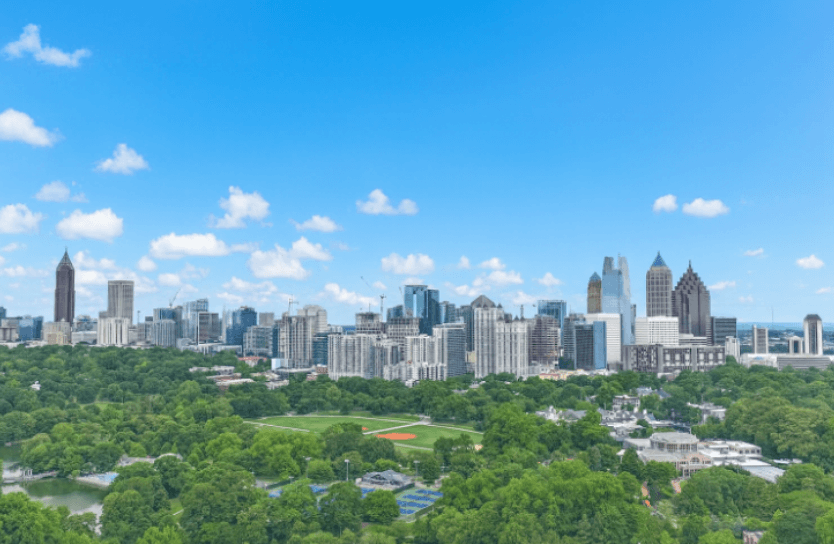
He also views the tournament as an opportunity to strengthen ties between Georgia and Spain, particularly in industries like infrastructure, manufacturing, energy, telecommunications, and mobility.
“Spain and the city of Atlanta and the state of Georgia already have strong business connections,” Cabrera said. “But I believe we’ve only begun to scratch the surface.”
President Cabrera’s optimism mirrors the trajectory of Atlanta itself.
It’s a city growing into its global identity while being well-known at the same time. A city investing in research, talent, culture, and connectivity. And increasingly, a city where institutions like Georgia Tech and others help shape not only the future workforce, but the future of an entire region.

